


11-04-2025, 11:16 PM
First of all, how do you make a foreign word into a loan word? You tack on the ending used by the language accepting the word. For example, if you were the first Spanish speaker to learn about the internet, you might call it the "internet-o."
Now then, suppose a person was captured into slavery and his captors realized he understood they were making errors in how they run things. Or perhaps they purchased a child with a known intelligent pedigree.
Suppose they wanted his help. However, they couldn't simply give the reins of power to some captured stranger.
So they realized if they got to know him disgustingly well, then they would realize if his directives were meant to help or hurt.
But how do they ensure his cooperation? They give him a choice. "There's a car in the field, now, in a column of flame. There are two doors to choose, but only one bears your name." He could be sacrificed to their gods, or he could step into the role of king.
Suppose he wisely chose to become king. He might have chosen "don't be an offering" for his motto. Or....
"Nebūk atnašas." (š=sh)
The Assyrians might have said "this sounds foreign to our ears. Can we make it Nebuk adnezzar?" It might have become a family name long before Nebuchadnezzar II became famous in Hebrew scripture. The supposed Akkadian etymology "Nabu, watch over my heir" may be a supposition. Nabu means prophet or authorized person, not necessarily a god, angel, or guardian.
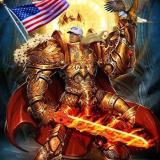
Babylon had the cult of Ishtar, which sounds like "ištarti" or "to pronounce." It is possible they used Proto-Indo-European speaking slaves to teach their people standardized speech. Another name for Ishtar was Astarte.
Now then, suppose a person was captured into slavery and his captors realized he understood they were making errors in how they run things. Or perhaps they purchased a child with a known intelligent pedigree.
Suppose they wanted his help. However, they couldn't simply give the reins of power to some captured stranger.
So they realized if they got to know him disgustingly well, then they would realize if his directives were meant to help or hurt.
But how do they ensure his cooperation? They give him a choice. "There's a car in the field, now, in a column of flame. There are two doors to choose, but only one bears your name." He could be sacrificed to their gods, or he could step into the role of king.
Suppose he wisely chose to become king. He might have chosen "don't be an offering" for his motto. Or....
"Nebūk atnašas." (š=sh)
The Assyrians might have said "this sounds foreign to our ears. Can we make it Nebuk adnezzar?" It might have become a family name long before Nebuchadnezzar II became famous in Hebrew scripture. The supposed Akkadian etymology "Nabu, watch over my heir" may be a supposition. Nabu means prophet or authorized person, not necessarily a god, angel, or guardian.
Babylon had the cult of Ishtar, which sounds like "ištarti" or "to pronounce." It is possible they used Proto-Indo-European speaking slaves to teach their people standardized speech. Another name for Ishtar was Astarte.


![[Image: astartes.png]](https://denyignorance.com/uploader/images/astartes.png)


![[Image: mj.gif]](https://denyignorance.com//images/addsmilies/mj.gif)